

Help us track missing loved ones: Buffalo’s Fire launches community-sourced MMIP map
A new community-driven database for missing relatives, reflections on the cycle of life and the latest news across Indian Country

We built an interactive MMIP map to track missing relatives. We need the community’s help to fill the gaps
Over the last year, our newsroom at Buffalo’s Fire has been building a database and interactive map to document the names and stories of Missing and Murdered Indigenous People (MMIP).
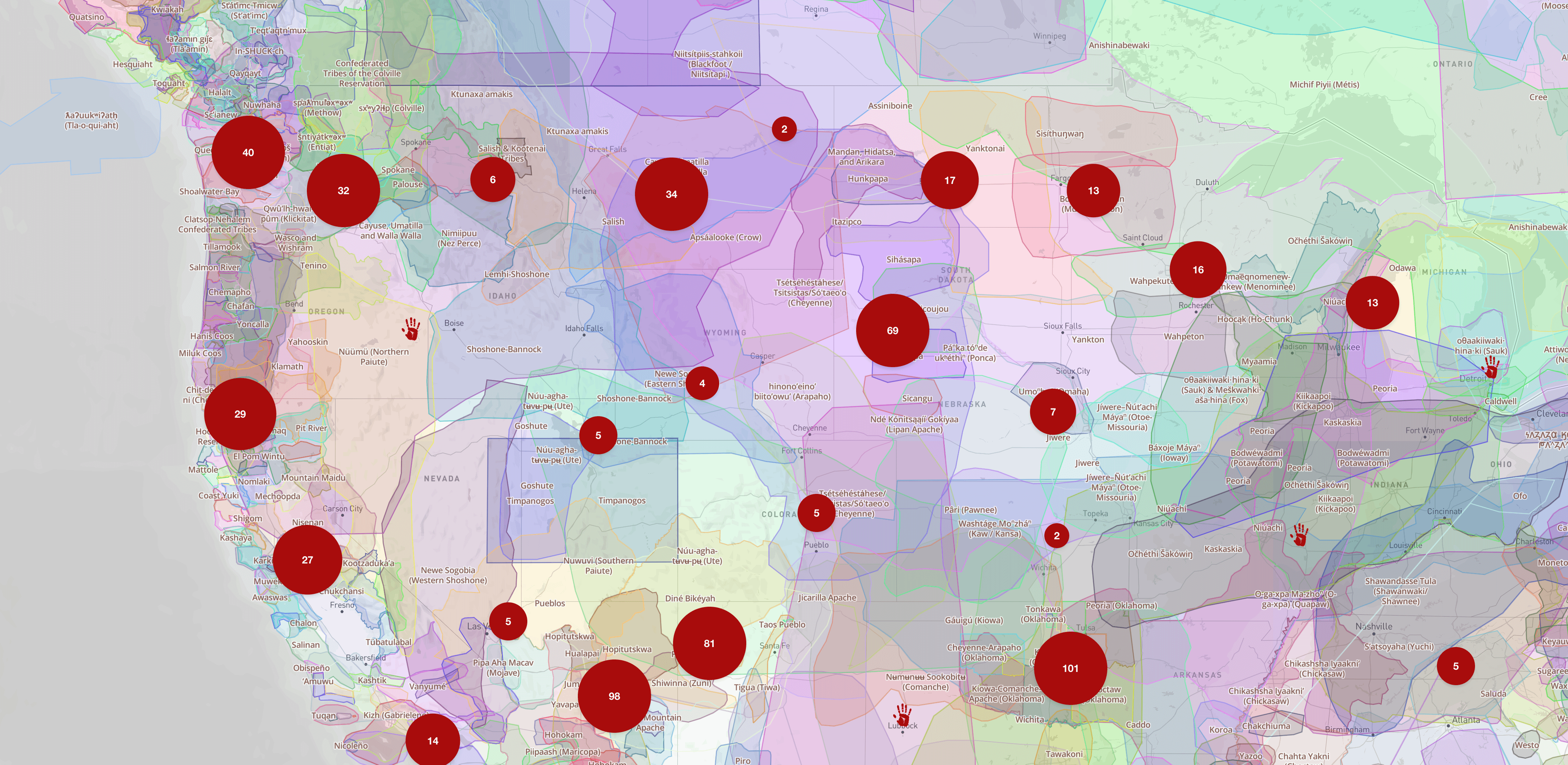
We decided to build this out of necessity. The official databases (like the BIA Missing and Murdered Unit and NamUs) are fragmented, confusing, and often disagree with each other. Also, when a local agency stops listing someone, they just disappear from the official record without explanation.
Facebook is the main lifeline for families and search parties. But Meta restricts data access, and digital flyers posted as images aren’t captured by search engines. This means that vital, community-sourced information gets buried in the algorithm and lost over time.
We currently have 1,148 individuals in our database, with about 1,026 mapped publicly.
We merge data from multiple agencies and have created submission forms to collect community data in the form of tips and also flyers.
If an agency drops someone from their list without confirming they were found safe, we keep them on our map. They are still missing, regardless of what a government website says.
Every individual gets a dedicated page where we can collect testimonies so they are never just a number. These pages will never vanish for as long as we exist.
Our goal is to create a comprehensive, permanent public database, but the data is a mess. We are asking the community to help us fill in the gaps.
Read about the MMIP map 📍
Explore the data: search names or locations 🔍
Send us tips and corrections 💬
Reflecting on the cycle of life: Family photos transport mourners to a bygone era
Spotted Bear matriarch begins journey to the earth lodge villages
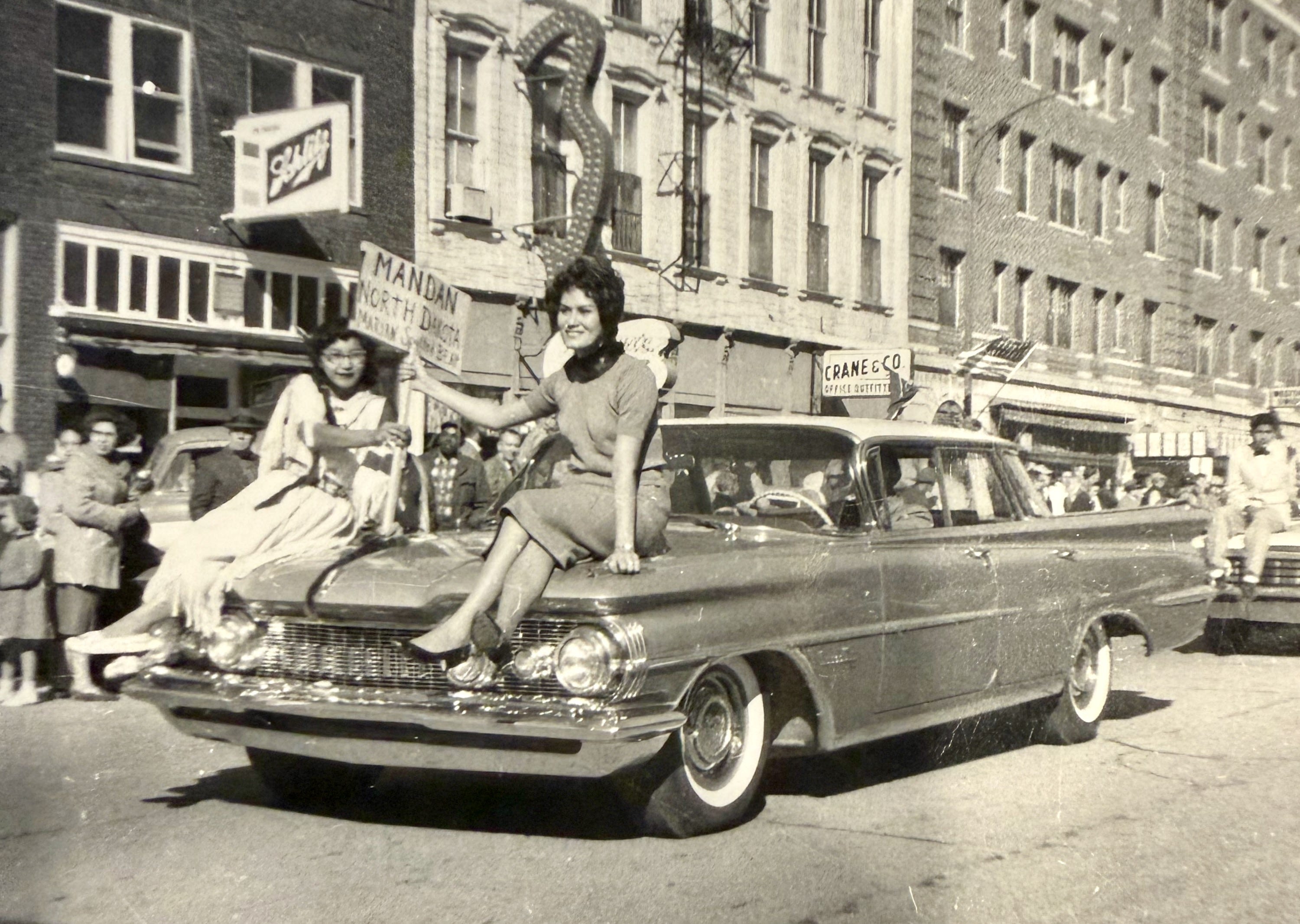
Life is a journey, and death is its invisible companion.
It’s been almost 10 years since I sat at a table with my sister-cousin, Faith Ann Skogstad, looking at old photos, igniting talk and memories of our aunt who’d passed away that fall. Faith Ann made a comment about how it seems we only look through a loose collection of family pictures when we’re preparing for a funeral.

Dartmouth launches Tribal Sovereignty Institute with $5 million gift
The new institute will support tribal leadership through partnerships research and education
Cheyenne River Sioux Tribe plans buffalo grazing school
The August program brings tribal participants together for field learning on herd health, soil stewardship and food sovereignty
WEWIN honors Ernie Stevens Jr. and Cheryl Stevens with leadership award
WEWIN recognized the Stevens family for decades of service to tribal nations and Native leadership
US preteen suicide rate reaches highest level in decades
Preliminary federal data recorded 194 suicide deaths among children ages 8 to 12 in 2025
MHA Nation celebrates opening of new water administration office
Opened July 31 at Fort Berthold, the office adds centralized control and real-time monitoring to help maintain safe drinking water
Oregon prison powwow brings Native families together for annual gathering
The annual event gives incarcerated Native people a chance to practice culture and reconnect with loved ones
Protesters urge BLM to keep Chaco Canyon protections
Protesters and New Mexico officials opposed a proposal to remove mining protections around Chaco Canyon
Record 13 Native candidates seek public office in Minnesota
At least 13 Indigenous candidates are running for office statewide in Minnesota
Nevada Native tuition waiver faces funding uncertainty as enrollment grow
State leaders seek long-term funding for college program serving Native American students
Oregon animal measure fails to qualify for November ballot
A proposed ban on hunting and fishing will not appear on the November ballot
Ontario First Nations find refuge in Thunder Bay amid wildfire evacuations
More than 100 wildfires in Ontario have displaced First Nations communities
Native-designed robots help children learn Indigenous languages
Ojibwe inventor’s SkoBots combine robotics and language learning to support cultural revitalization
Traditional Navajo meal program reduces hospitalizations in heart failure trial
Randomized clinical trial finds culturally tailored meals improved health outcomes for Navajo patients
Double Your Impact. Donate Today. Every Dollar is Matched
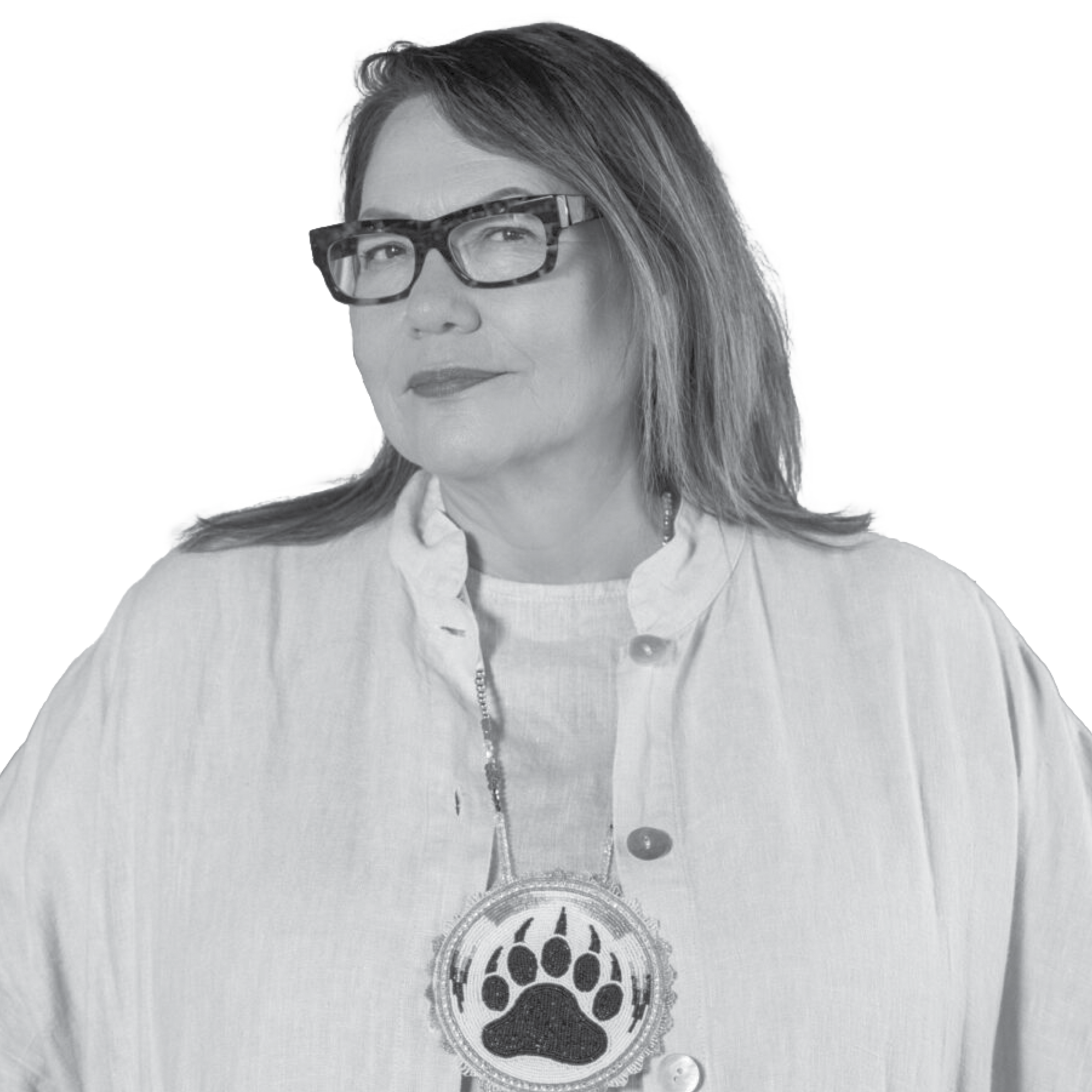
When I founded Buffalo’s Fire 10 years ago, it was to keep Native communities informed and to address the need for tribal governmental transparency and accountability. Since then, we’ve been publishing award-winning journalism. Also, after listening to readers, we have launched an independent database tracking Murdered and Missing Indigenous Peoples, blending technology and the tools of journalism to shine a light on an issue deeply important to Native Americans. Readers also identify the need for stories related to language and culture. Check out Buffalo’s Fire for our recent coverage of the 150th anniversary of the Battle of the Little Bighorn, or the Greasy Grass.
While we are thankful for foundation financial support, our resilience depends on our audience. We’re asking readers to double their impact by making an individual contribution. Our goal is to reach $1,000. Monthly donations will also be matched by foundation support. This donor drive is effective today and ends Aug. 14. We appreciate you standing with our team.
Waashiraharanito’shish – Thank you
Jodi Rave Spotted Bear
Founder and Executive Director, Indigenous Media Freedom Alliance
Publisher, Buffalo’s Fire
1,148 mmip need to be known and found.