

Indigenous communities respond to crisis, culture and new opportunities
From MMIP families fighting for justice to funding cuts and a growing initiative in Bismarck, this week’s stories highlight the resilience and evolving strategies of Native communities

MMIP organization holds first annual gathering for victims’ families, advocates
Relatives share impacts of Indian Country’s lost and murdered crisis
By Brian Bull
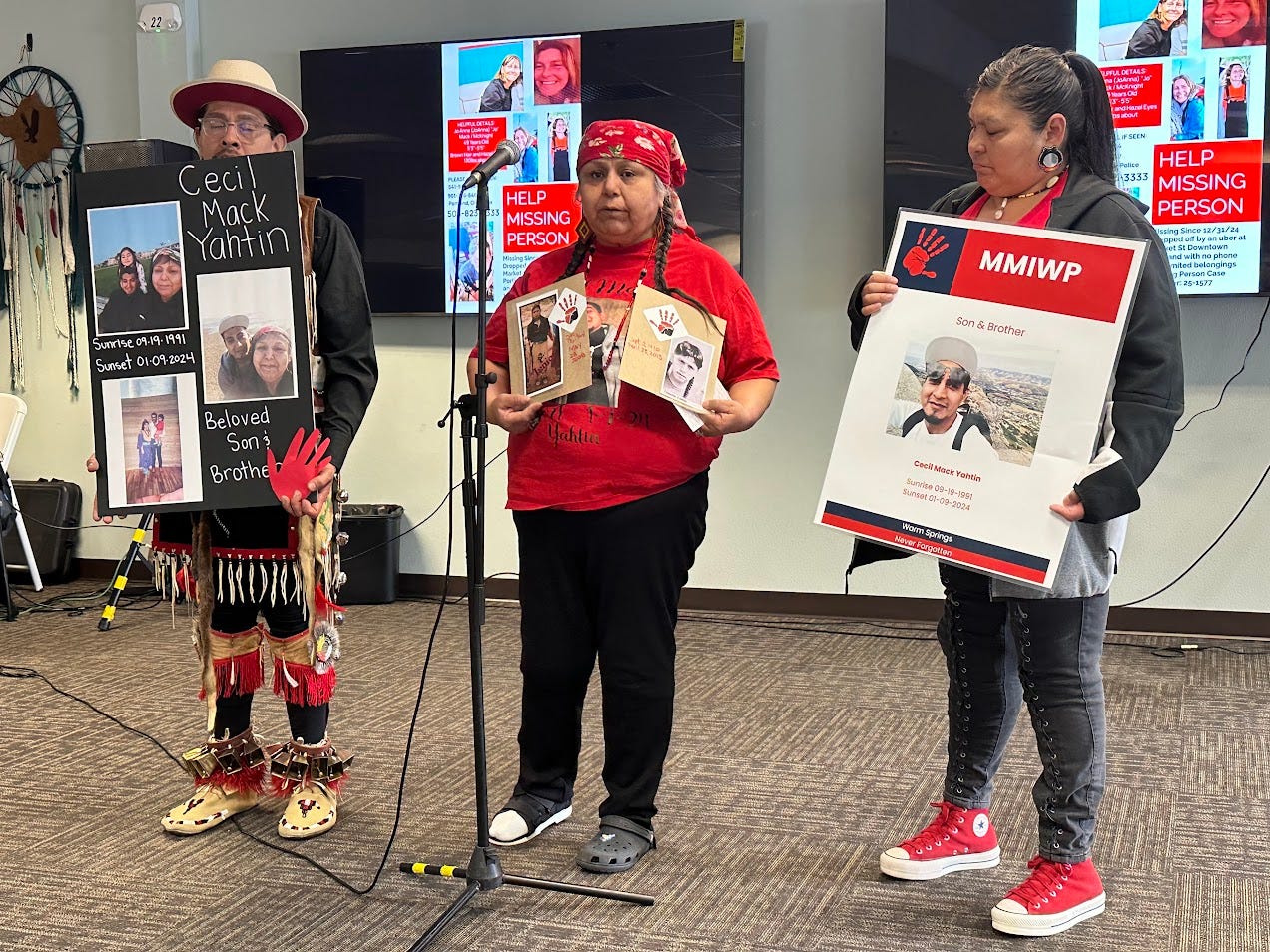
Faces of the disappeared and dead stared from posters and fliers inside a communal area of the Native American Rehabilitation Association of the Northwest last Saturday. As toddlers sat on the floor and played with action figures and video games, their caretakers took turns standing before the crowd of roughly 100 people — many dressed in red — to share memories.
Humanities North Dakota gets a lifeline, but at a fraction of its former funding
Classes will continue, including a popular one on the Mandan, Hidatsa nations
By Brian Bull
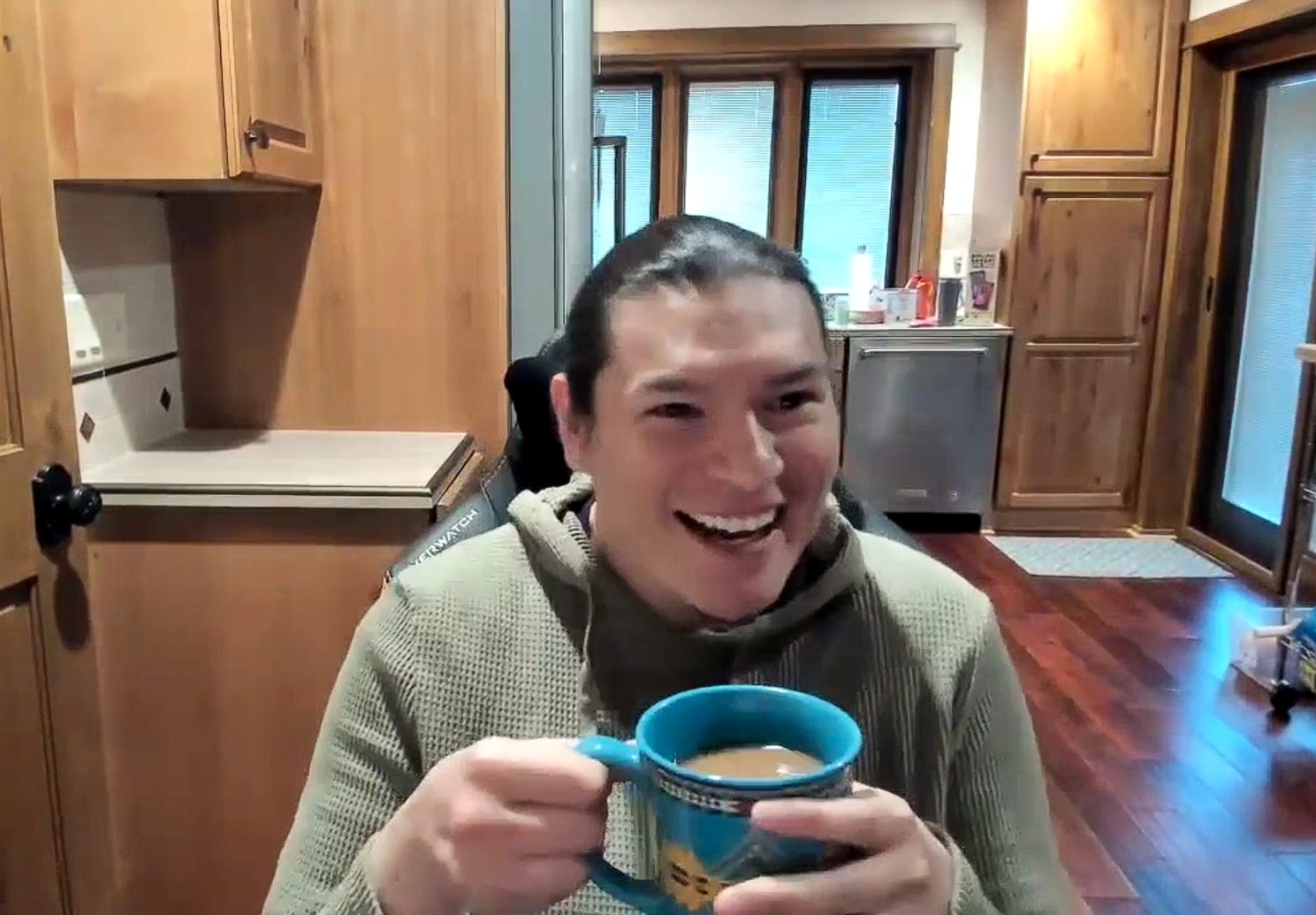
Brenna Gerhardt received an email in the middle of the night on April 2 informing her that a $900,000 grant for Humanities North Dakota for the 2025 fiscal year had been terminated effective immediately.
Why Buffalo’s Fire was red for one day
May 5 is Missing and Murdered Indigenous Persons Awareness Day
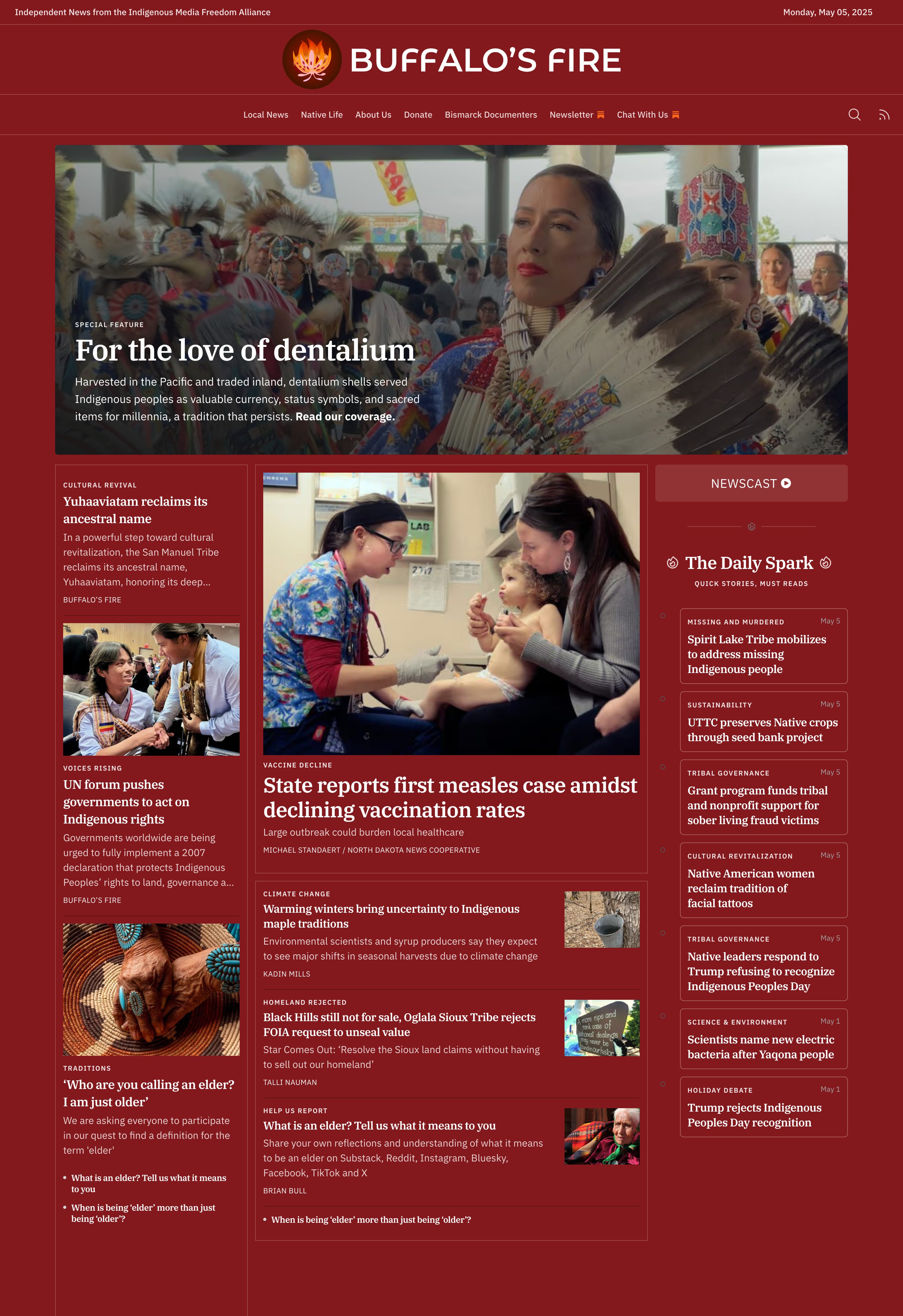
On May 5, Buffalo’s Fire was red in honor of Missing and Murdered Indigenous Persons Awareness Day. This day raises awareness about the epidemic of violence against Indigenous peoples — especially women, girls, men and two-spirit individuals — who go missing or are murdered at disproportionately high rates across North America.
For the love of dentalium
Harvested in the Pacific and traded inland, dentalium shells have served Native peoples for millennia—as currency, as sacred items, and as powerful symbols of identity and status. “For the Love of Dentalium” is a series of stories honoring this remarkable tradition—its history, its beauty, and its continued meaning in Native communities today.
Why we use ‘Murdered and Missing Indigenous Peoples’ at Buffalo’s Fire
We use MMIP in our reporting while honoring community use of MMIR
By Teresa Trumbly Lamsam, Ph.D.
As we report on the ongoing crisis of murdered and missing Indigenous peoples, we are intentional in how we frame this issue. At Buffalo’s Fire, we use the term Peoples to emphasize that this is not just a crisis of individuals — it is a crisis that impacts nations, families and communities.
Language matters. Using Peoples keeps the focus on:
Our status as sovereign nations, not just demographic groups
The intergenerational and communal impact of this crisis
The wide scope of who is affected — including women, men, two-spirit individuals, children and elders across multiple nations
This broader framing is consistent with how Native communities increasingly describe this crisis. Terms like Murdered and Missing Indigenous Relatives (MMIR) are also being used to resist erasure and to affirm that this is about both the individuals lost and the violence experienced across our nations.
Why we acknowledge MMIR but use MMIP
Many grassroots organizers and families now use Murdered and Missing Indigenous Relatives to reflect cultural values of kinship and connection.
At Buffalo’s Fire, we honor and respect the use of MMIR by individuals and organizations. When quoting sources who use MMIR, we retain their language.
However, as a news organization, we follow a consistent style. We use MMIP in our reporting because:
It keeps the systemic and collective dimensions of the crisis in focus
It aligns with broader policy, advocacy and national conversations
It connects individual losses to the urgent need for accountability and change at every level of society
Choosing MMIP helps us widen the lens and hold systems accountable while respecting the depth of individual tragedies.
Why we don’t use MMIW or MMIW+C
Earlier efforts to raise awareness often used “Murdered and Missing Indigenous Women” or expanded it to “Women and Children” to highlight specific victims. These terms played a vital role in breaking the silence.
Over time, however, many communities recognized that this framing could unintentionally exclude others who are affected, such as men, two-spirit people and boys. In some cases, it also reinforced negative stereotypes about Native men, which created additional barriers for families seeking justice and support.
Using MMIP allows us to expand the frame, include all who are affected and keep the focus on the systemic causes of this crisis rather than individual blame.
In short
MMIP centers individuals and nations. It reflects the collective nature of the crisis and the broader need for systemic change.
MMIR emphasizes relational ties and kinship. We respect and retain this term when it’s used by community members or sources.
We use MMIP as our standard reporting term because it aligns with our editorial mission and keeps the focus on sovereignty, accountability and justice.
Bismarck Documenters to host virtual orientation May 10
By Daniela Aki
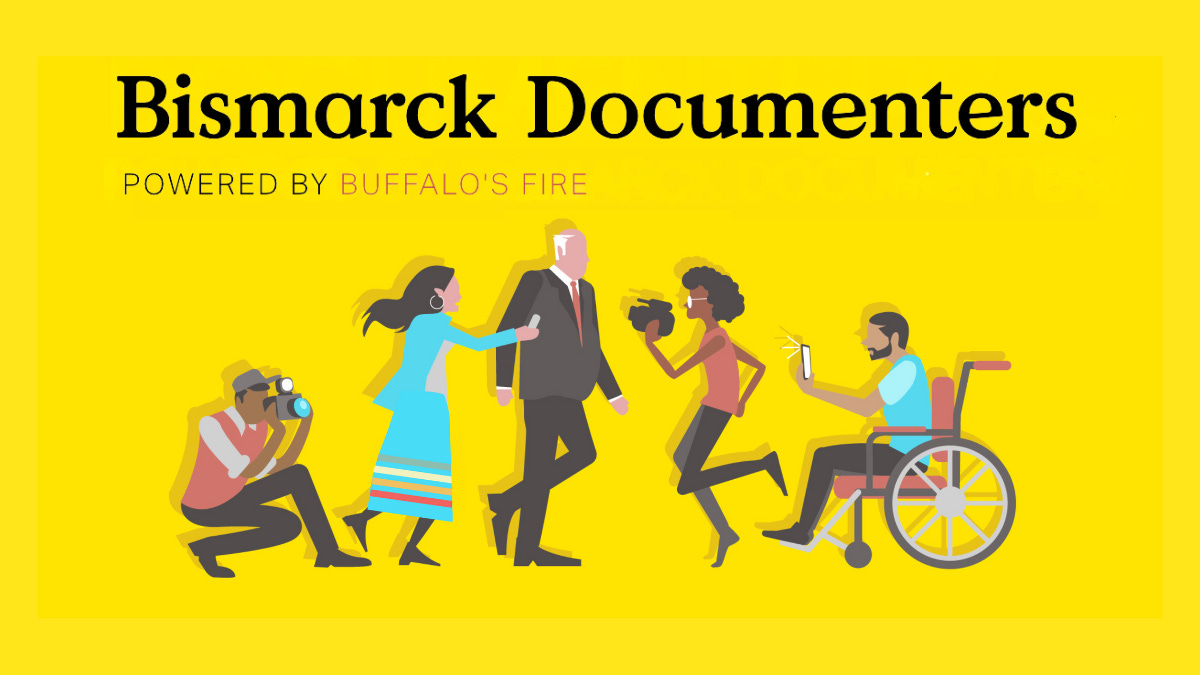
The Bismarck Documenters program continues to grow. We are hosting another virtual orientation, Saturday, May 10, at 10:30 a.m. Interested individuals are encouraged to create a profile on documenters.org. Under the workshops tab, register for the Bismarck Documenters Orientation (virtual) option. The orientation process will educate prospective Documenters on their rights and responsibilities, as well as the process of applying for assignments in the Bismarck/Mandan area.
If you have any questions, please contact Daniela Aki, Bismack Documenters site manager, at daniela@imfreedomalliance.org.

The Daily Spark – quick, must-read micro stories to start your day
Our Daily Spark feature delivers 8 to 10 news summaries each morning to give you a quick overview of current events in Indian Country. The format prioritizes brevity, providing key updates in short, digestible summaries. This makes it a valuable resource for quickly grasping important developments on a broad range of issues affecting Indigenous communities.
Here are some of the stories you may have missed this week: